10 Reasons to Visit Japan in Spring
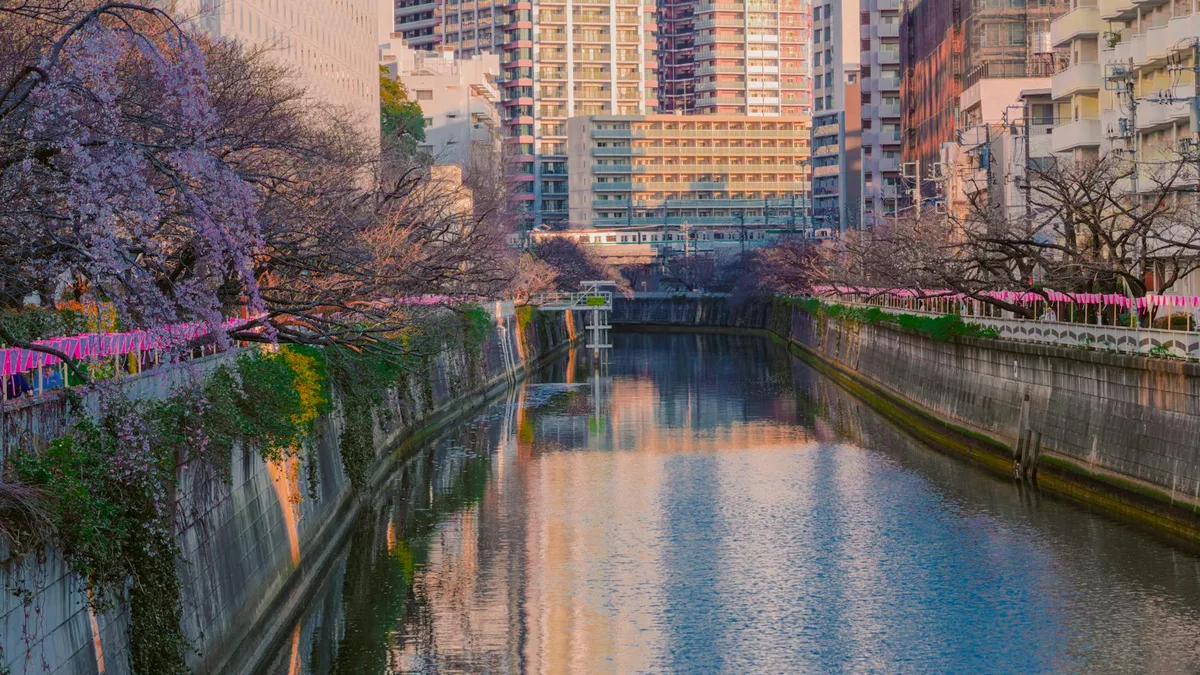
Japan is extraordinary in every season, but spring holds a singular magic. The country transforms during the weeks when cherry blossoms bloom, and the experience goes far beyond the famous pink petals. Here are ten reasons why spring is the ideal time to visit.
1. Cherry Blossoms Are Genuinely Breathtaking
No photograph fully captures the experience of standing beneath a canopy of sakura in full bloom. The blossoms last roughly two weeks in each region, creating an atmosphere of gentle urgency that makes every walk feel significant. Parks, rivers, temple grounds, and even parking lots become places of quiet beauty.
2. The Weather Is Mild and Pleasant
Temperatures in March and April hover between 10 and 20 degrees Celsius across most of Honshu. The air is crisp, the skies are often clear, and the humidity of summer has not yet arrived. It is perfect weather for long walks and outdoor sightseeing.
3. Seasonal Food Is at Its Peak
Japanese cuisine is deeply connected to the seasons. In spring, menus feature bamboo shoots, sakura mochi (sweet rice cakes wrapped in cherry leaf), firefly squid from Toyama Bay, and fresh sansai (mountain vegetables). Department store food halls and neighborhood izakayas alike celebrate the season's ingredients.
4. Temple Gardens Come Alive
Kyoto's temple gardens are designed to be experienced across the seasons, and spring is arguably their finest hour. Wisteria, azaleas, and camellias join the cherry blossoms in creating layers of color against the austere stone and wood of the temple architecture.
5. Hanami Culture Is Welcoming
Hanami — the tradition of picnicking beneath cherry trees — is one of Japan's most accessible cultural experiences. Locals spread tarps in parks, share food and drinks, and welcome newcomers with genuine warmth. Joining a hanami gathering is one of the best ways to connect with Japanese people on equal footing.
6. Festivals and Events
Spring brings a packed calendar of festivals. The Takayama Matsuri in April features ornate floats paraded through an Edo-period town. Nara's Yamayaki festival sees an entire hillside set ablaze in a controlled burn. Smaller neighborhood festivals offer taiko drumming, street food, and community spirit.
7. Fewer Crowds Than You Expect
While popular spots like Maruyama Park and Shinjuku Gyoen draw large hanami crowds, Japan is vast and many excellent viewing locations remain uncrowded. Yoshino in Nara Prefecture, the Hirosaki Castle grounds in Aomori, and the rural Kiso Valley offer stunning blossoms with far fewer visitors.
8. The Shinkansen Is an Experience Itself
Riding the bullet train through a countryside dotted with blossoming trees is one of spring's great pleasures. The view from the window between Kyoto and Tokyo — with Mount Fuji occasionally emerging through haze — is worth the ticket price alone.
9. Photography Opportunities Are Endless
The soft light, pastel colors, and contrast between blossoms and traditional architecture create ideal conditions for photography. Golden hour shots of pagodas framed by cherry branches, reflections in still temple ponds, and the gentle rain of falling petals — spring in Japan is a photographer's dream.
10. It Changes How You Travel
There is something about the impermanence of sakura season that slows you down. You begin to notice small details — a single petal caught in a doorway, the specific shade of pink against a gray sky, the sound of wind through a canopy of blossoms. Japan in spring teaches you to pay attention, and that lesson stays with you long after you return home.
Planning Your Trip
Book flights and accommodation at least three months in advance. Consider a Japan Rail Pass for multi-city itineraries. The season is short, so build flexibility into your schedule — arriving a few days early or staying a few days late can make the difference between bare branches and full bloom.