El Salvador Surf Guide — Beaches, Breaks & Where to Stay
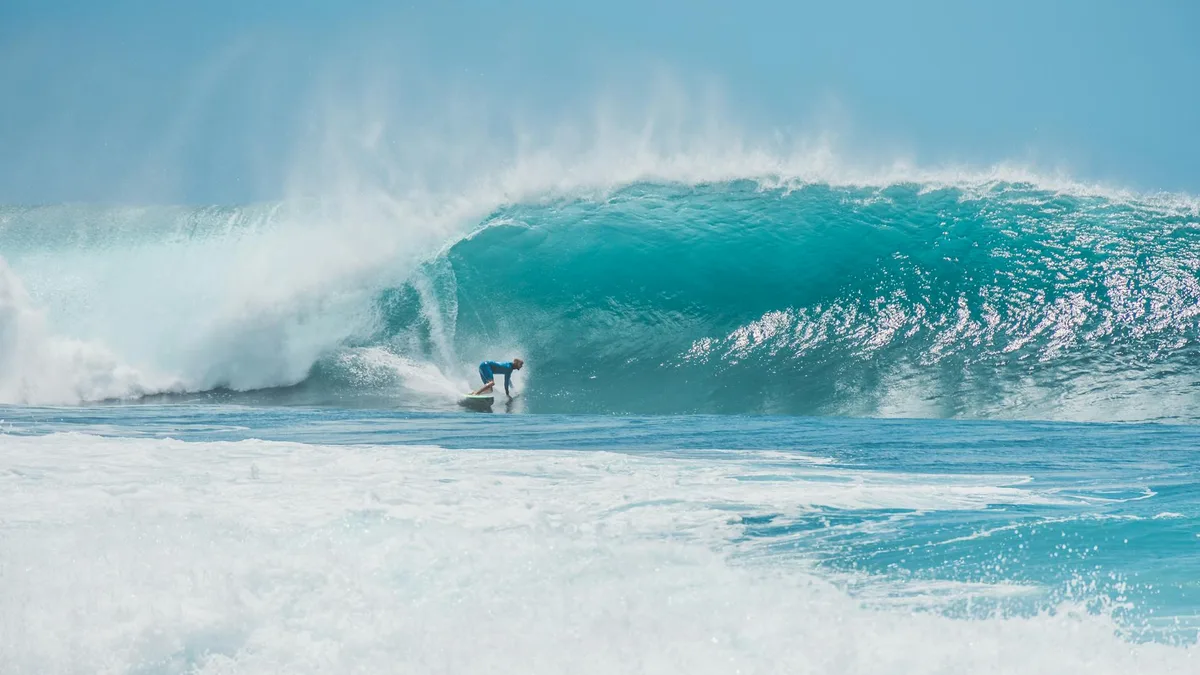
El Salvador is one of Central America's best-kept surfing secrets, though word has been spreading. A compact Pacific coastline, warm water year-round, consistent swells, and a fraction of the crowds found in neighboring Costa Rica make it an ideal surf destination for beginners and experienced riders alike.
Why El Salvador
The country offers over 300 kilometers of Pacific coast with a variety of point breaks, beach breaks, and reef breaks. Water temperatures hover between 27 and 30 degrees Celsius, meaning a rash guard is all you need most of the year. The surf culture is relaxed and welcoming, with a growing number of surf camps, board rental shops, and beachside restaurants catering to traveling surfers.
Best Surf Breaks
Punta Roca, La Libertad
El Salvador's most famous wave. A long right-hand point break over a cobblestone bottom that produces rides of 200 meters or more on a good day. Best from March to October when south swells light up the coast. This is an advanced wave with shallow sections — not recommended for beginners, but spectacular to watch even from shore.
El Tunco
The social hub of El Salvador's surf scene. The beach break here is forgiving and fun, suitable for intermediate surfers. The real draw is the atmosphere — beachfront bars, live music, affordable accommodation, and a diverse community of locals and travelers. El Tunco is where most first-time visitors to El Salvador's coast end up, and for good reason.
El Sunzal
Adjacent to El Tunco, El Sunzal offers a more reliable right-hand point break that works on almost any swell. The wave is longer and more consistent than El Tunco's beach break, making it popular with intermediate and advanced surfers. Several surf schools operate here, and the lineup is rarely overcrowded.
Las Flores
Located in the eastern department of San Miguel, Las Flores is remote, quiet, and produces some of the country's best waves. A right-hand point break that handles size well and offers long, clean rides. Accommodation options are limited to a handful of surf lodges, which adds to the secluded feel.
Playa El Zonte
A developing beach town with a mellow vibe. The surf is consistent and suitable for beginners and intermediates. El Zonte has gained attention for its community-focused tourism model and its early adoption of digital currency for local transactions. The handful of hostels and restaurants here prioritize sustainability.
When to Go
El Salvador receives surf year-round, but the best conditions generally run from March through October during the southern hemisphere's winter swell season. The rainy season (May to October) brings afternoon thunderstorms that clear quickly, larger swells, and offshore morning winds — ideal surf conditions. The dry season (November to April) offers smaller, cleaner waves and sunny skies.
Where to Stay
- Budget: El Tunco and El Zonte have numerous hostels and surf camps ranging from shared dorms to private rooms, typically between 15 and 40 USD per night.
- Mid-range: Boutique surf lodges at El Sunzal and Las Flores offer comfortable rooms, pool access, and surf guiding packages for 80 to 150 USD per night.
- Upscale: A small number of private villas and luxury eco-lodges are emerging along the coast, offering personalized service and uncrowded breaks for 200 USD and up.
Practical Information
- El Salvador's international airport (SAL) is near the surf coast, roughly 30 to 45 minutes by car to El Tunco.
- USD is the official currency — no exchange needed for American travelers.
- Board rentals are widely available: expect 10 to 20 USD per day for a standard shortboard or longboard.
- Surf lessons cost approximately 25 to 40 USD for a two-hour session including board.
- The coastal roads are paved and well-maintained. Renting a car gives you flexibility to explore multiple breaks in a single day.
- Safety has improved significantly in recent years, particularly in tourist-focused beach towns. Standard travel precautions apply.
Beyond the Waves
When the surf is flat, El Salvador offers excellent hiking in the cloud forests of Cerro Verde National Park, colonial architecture in Suchitoto, and the Mayan ruins of Joya de Ceren — a UNESCO World Heritage Site sometimes called the Pompeii of the Americas. The pupusa, the national dish (a thick corn tortilla stuffed with cheese, beans, or pork), is inexpensive, delicious, and available on virtually every street corner.
El Salvador's surf scene is unpretentious, affordable, and consistently fun. Whether you are a seasoned surfer chasing Punta Roca's legendary right-hander or a beginner looking for warm water and patient instructors, the country delivers. Pack light, bring sunscreen, and prepare to extend your stay — most people do.